

Hormone Replacement Therapy
Hormonal changes can affect how you feel and function at different stages of life. At BiogenesisRx, we take a personalized approach to hormone health by evaluating your symptoms, health history, and laboratory findings to determine whether hormone replacement therapy may be appropriate for you.
Hormone changes can affect how you feel, function, and experience everyday life. At BiogenesisRx, we believe hormone care should be personal, which is why women can be matched with female providers who understand the unique experiences that can come with hormonal changes throughout midlife and beyond.
With more than a decade of experience in regenerative medicine and personalized health and wellness care, our providers take a comprehensive approach to hormone care, considering your symptoms, health history, medications, laboratory findings, and individual goals to determine whether hormone therapy may be appropriate for you.
Whether you're navigating perimenopause, menopause, or age-related hormonal changes, you don't have to simply accept feeling unlike yourself. Our approach is centered on listening, evaluating the bigger picture, and creating a treatment plan that fits your individual needs.

Hormone changes can affect how you feel, function, and experience everyday life. At BiogenesisRx, we believe hormone care should be personal, which is why women can be matched with female providers who understand the unique experiences that can come with hormonal changes throughout midlife and beyond.
With more than a decade of experience in regenerative medicine and personalized health and wellness care, our providers take a comprehensive approach to hormone care, considering your symptoms, health history, medications, laboratory findings, and individual goals to determine whether hormone therapy may be appropriate for you.
Whether you're navigating perimenopause, menopause, or age-related hormonal changes, you don't have to simply accept feeling unlike yourself. Our approach is centered on listening, evaluating the bigger picture, and creating a treatment plan that fits your individual needs.
Hormone Health in Midlife & Beyond
Hormone patterns change throughout adulthood, and the experience can differ significantly between women and men. The sections below explore some of the hormonal changes that commonly occur during midlife and the symptoms that may accompany them.

Women
Perimenopause, Menopause & Beyond
For many women, hormone changes become especially noticeable during perimenopause, the transition leading up to menopause. While it most commonly begins in the mid-40s, symptoms can appear earlier, including during the 30s. The transition can last several years, and symptoms may continue through menopause and beyond.
Perimenopause doesn't look the same for everyone. Fluctuating hormone levels can contribute to:
➔ Hot flashes and night sweats
➔ Sleep difficulties
➔ Changes in mood
➔ Fatigue and changes in energy
➔ Brain fog or difficulty concentrating
➔ Changes in libido and sexual health
➔ Vaginal dryness or discomfort
➔ Changes in menstrual cycles
➔ Changes in body composition
➔ Difficulty managing weight
These symptoms can affect much more than how you feel physically. They can influence sleep, relationships, work, confidence, and everyday quality of life. The American College of Obstetricians and Gynecologists (ACOG) notes that hormone therapy can help relieve symptoms of perimenopause and menopause, with systemic estrogen therapy being the most effective treatment for hot flashes and night sweats.
HRT Can Improve Quality of Life
For women experiencing bothersome menopausal symptoms, research suggests that hormone therapy can improve certain symptoms and aspects of quality of life. Clinical studies have reported improvements in areas including hot flashes, sleep, sexual functioning, and other menopause-related symptoms.
HRT isn't right for everyone, and the benefits and risks depend on your individual health, age, symptoms, medical history, and treatment approach. That's why an individualized evaluation matters before starting therapy.





Men
Understanding Age-Related Hormone Changes
Hormonal changes aren't exclusive to women. Men can also experience changes in hormone levels as they age, including a gradual decline in testosterone. Lower testosterone may be associated with symptoms such as:
➔ Reduced energy or motivation
➔ Changes in libido
➔ Changes in sexual function
➔ Changes in muscle mass or strength
➔ Changes in body composition
➔ Changes in mood or sense of well-being
However, these symptoms can have many possible causes and don't necessarily indicate low testosterone. Sleep, stress, medications, lifestyle factors, and other health conditions can contribute to similar changes.
When Should Men Consider a Hormone Evaluation?
Persistent changes in energy, libido, sexual function, or other aspects of well-being may be worth discussing with a healthcare provider, particularly when they are affecting daily life.
Evaluation may include a review of symptoms and health history along with appropriate laboratory testing. If low testosterone is suspected, testosterone levels are typically evaluated with blood testing, with results interpreted alongside symptoms and other clinical factors.
If a hormone-related concern is identified, your provider can discuss whether hormone therapy may be appropriate and review potential benefits, risks, and alternatives.
At BiogenesisRx, the goal is to understand the potential contributors to your symptoms before determining whether hormone therapy is appropriate.
Hormone Health in Midlife & Beyond
Hormone patterns change throughout adulthood, and the experience can differ significantly between women and men. The sections below explore some of the hormonal changes that commonly occur during midlife and the symptoms that may accompany them.
Women
Perimenopause, Menopause & Beyond
For many women, hormone changes become especially noticeable during perimenopause, the transition leading up to menopause. While it most commonly begins in the mid-40s, symptoms can appear earlier, including during the 30s. The transition can last several years, and symptoms may continue through menopause and beyond.
Perimenopause doesn't look the same for everyone. Fluctuating hormone levels can contribute to:
➔ Hot flashes and night sweats
➔ Sleep difficulties
➔ Changes in mood
➔ Fatigue and changes in energy
➔ Brain fog or difficulty concentrating
➔ Changes in libido and sexual health
➔ Vaginal dryness or discomfort
➔ Changes in menstrual cycles
➔ Changes in body composition
➔ Difficulty managing weight
These symptoms can affect much more than how you feel physically. They can influence sleep, relationships, work, confidence, and everyday quality of life. The American College of Obstetricians and Gynecologists (ACOG) notes that hormone therapy can help relieve symptoms of perimenopause and menopause, with systemic estrogen therapy being the most effective treatment for hot flashes and night sweats.
HRT Can Improve Quality of Life
For women experiencing bothersome menopausal symptoms, research suggests that hormone therapy can improve certain symptoms and aspects of quality of life. Clinical studies have reported improvements in areas including hot flashes, sleep, sexual functioning, and other menopause-related symptoms.
HRT isn't right for everyone, and the benefits and risks depend on your individual health, age, symptoms, medical history, and treatment approach. That's why an individualized evaluation matters before starting therapy.
Men
Understanding Age-Related Hormone Changes
Hormonal changes aren't exclusive to women. Men can also experience changes in hormone levels as they age, including a gradual decline in testosterone. Lower testosterone may be associated with symptoms such as:
➔ Reduced energy or motivation
➔ Changes in libido
➔ Changes in sexual function
➔ Changes in muscle mass or strength
➔ Changes in body composition
➔ Changes in mood or sense of well-being
However, these symptoms can have many possible causes and don't necessarily indicate low testosterone. Sleep, stress, medications, lifestyle factors, and other health conditions can contribute to similar changes.
When Should Men Consider a Hormone Evaluation?
Persistent changes in energy, libido, sexual function, or other aspects of well-being may be worth discussing with a healthcare provider, particularly when they are affecting daily life.
Evaluation may include a review of symptoms and health history along with appropriate laboratory testing. If low testosterone is suspected, testosterone levels are typically evaluated with blood testing, with results interpreted alongside symptoms and other clinical factors.
If a hormone-related concern is identified, your provider can discuss whether hormone therapy may be appropriate and review potential benefits, risks, and alternatives.
At BiogenesisRx, the goal is to understand the potential contributors to your symptoms before determining whether hormone therapy is appropriate.
How Are Hormone Levels Evaluated?
Understanding your hormone health starts with looking at the bigger picture. Your provider may consider your symptoms, health history, medications, menstrual or reproductive history, lifestyle, and other clinical factors when determining which tests, if any, may be appropriate.
At BiogenesisRx, blood testing may be used as a foundation for evaluating hormone levels and other health markers. Your provider can determine which tests are appropriate based on your individual needs and when your most recent laboratory testing was completed.
Blood Testing
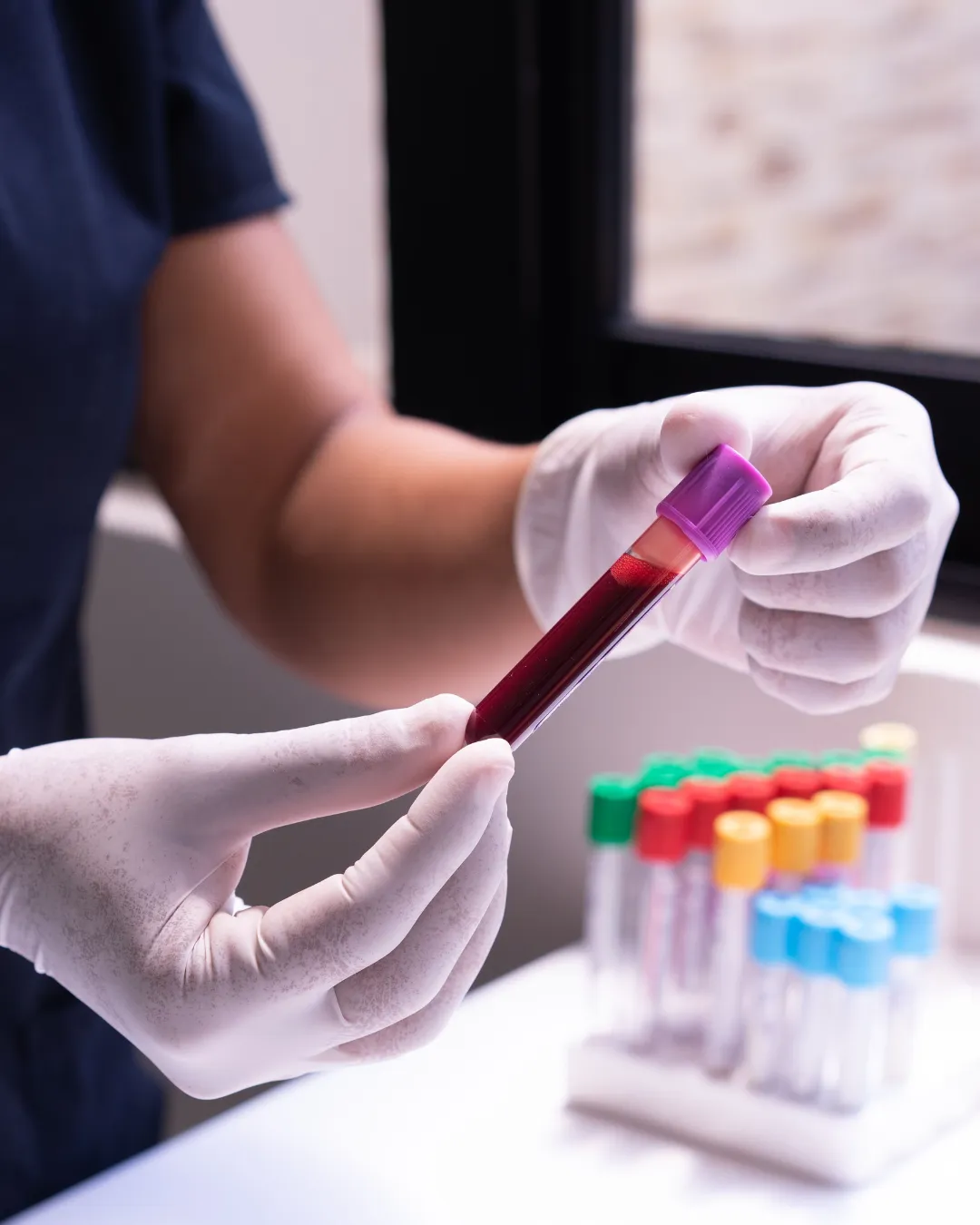
When laboratory testing is clinically appropriate, your provider may order a blood panel to evaluate hormone levels along with other markers that can provide a broader picture of your health. Depending on your individual needs, testing may include markers such as:
➔ Estradiol and other estrogen-related markers
➔ Progesterone, when clinically relevant
➔ Testosterone
➔ Thyroid markers, such as TSH and free T4
➔ FSH and other reproductive hormones, when appropriate
➔ Cortisol or other markers, when clinically indicated
➔ Metabolic and general health markers, such as glucose, lipids, liver function, kidney function, and blood counts
The specific tests ordered will depend on your symptoms, age, sex, medical history, medications, and the clinical questions your provider is evaluating. If you have had recent blood work, your provider can also determine whether those results provide enough information or whether additional testing may be appropriate.
For women in a typical perimenopause or menopause transition, hormone levels can fluctuate significantly. Because of this, blood hormone testing is not routinely required to diagnose menopause or determine whether menopausal hormone therapy is appropriate. Instead, symptoms, menstrual history, medical history, and overall health are important parts of the evaluation.

Further Hormone Testing: DUTCH
For some patients, additional hormone testing may provide another layer of information. The DUTCH test (Dried Urine Test for Comprehensive Hormones) is a urine-based test that measures hormones and hormone metabolites.
Unlike a standard blood test, which provides a snapshot of hormone levels in the blood at a particular point in time, urine-based testing can provide information about hormone metabolites and how certain hormones are being processed and eliminated.
When appropriate, your provider may consider DUTCH testing alongside your symptoms, health history, blood work, and other clinical information to provide additional context around your hormone patterns.
DUTCH testing is not intended to replace your clinical evaluation or standard blood testing. Instead, it may be used as an additional source of information when your provider believes a more detailed look at hormone metabolites could be helpful.
Our Personalized
Approach


Step 1
Discuss Your Symptoms
Your provider takes the time to understand what you're experiencing, your health history, medications, and personal goals.

Step 2
Evaluate Your Health
Depending on your individual circumstances, your provider may recommend laboratory testing to evaluate relevant hormone levels and other health markers.

Step 3
Determine Your Options
If HRT is clinically appropriate, your provider will discuss potential treatment options, benefits, risks, and alternatives with you.

Step 4
Monitor & Adjust
Hormone therapy requires ongoing medical care. Your provider can monitor your response and make adjustments when clinically appropriate.
Frequently Asked Questions
Is HRT right for everyone?
No. HRT isn't appropriate for everyone. Whether it is recommended depends on your individual health history, symptoms, risk factors, laboratory findings, and treatment goals.
Do I need hormone testing before starting HRT?
Your provider may recommend laboratory testing as part of your evaluation. The appropriate testing depends on your symptoms, health history, and individual circumstances.
What hormones can HRT address?
The hormones used in treatment depend on the individual's needs and clinical circumstances. Your provider can explain which options may be appropriate for you.
Is HRT only for menopause?
No. Hormone therapy can be used in different clinical situations. The appropriate use depends on the individual's medical history and needs.
How long will I need HRT?
There is no single treatment duration that applies to everyone. Your provider will evaluate your response to treatment and discuss the appropriate approach for your circumstances.
Does HRT require ongoing monitoring?
Yes. Hormone therapy should be managed with appropriate medical follow-up. Your provider can monitor your health and treatment response over time.
How Are Hormone Levels Evaluated?
Understanding your hormone health starts with looking at the bigger picture. Your provider may consider your symptoms, health history, medications, menstrual or reproductive history, lifestyle, and other clinical factors when determining which tests, if any, may be appropriate.
At BiogenesisRx, blood testing may be used as a foundation for evaluating hormone levels and other health markers. Your provider can determine which tests are appropriate based on your individual needs and when your most recent laboratory testing was completed.
Blood Testing
When laboratory testing is clinically appropriate, your provider may order a blood panel to evaluate hormone levels along with other markers that can provide a broader picture of your health. Depending on your individual needs, testing may include markers such as:
➔ Estradiol and other estrogen-related markers
➔ Progesterone, when clinically relevant
➔ Testosterone
➔ Thyroid markers, such as TSH and free T4
➔ FSH and other reproductive hormones, when appropriate
➔ Cortisol or other markers, when clinically indicated
➔ Metabolic and general health markers, such as glucose, lipids, liver function, kidney function, and blood counts
The specific tests ordered will depend on your symptoms, age, sex, medical history, medications, and the clinical questions your provider is evaluating. If you have had recent blood work, your provider can also determine whether those results provide enough information or whether additional testing may be appropriate.
For women in a typical perimenopause or menopause transition, hormone levels can fluctuate significantly. Because of this, blood hormone testing is not routinely required to diagnose menopause or determine whether menopausal hormone therapy is appropriate. Instead, symptoms, menstrual history, medical history, and overall health are important parts of the evaluation.
Further Hormone Testing: DUTCH
For some patients, additional hormone testing may provide another layer of information. The DUTCH test (Dried Urine Test for Comprehensive Hormones) is a urine-based test that measures hormones and hormone metabolites.
Unlike a standard blood test, which provides a snapshot of hormone levels in the blood at a particular point in time, urine-based testing can provide information about hormone metabolites and how certain hormones are being processed and eliminated.
When appropriate, your provider may consider DUTCH testing alongside your symptoms, health history, blood work, and other clinical information to provide additional context around your hormone patterns.
DUTCH testing is not intended to replace your clinical evaluation or standard blood testing. Instead, it may be used as an additional source of information when your provider believes a more detailed look at hormone metabolites could be helpful.
Our Personalized Approach
Step 1
Discuss Your Symptoms
Your provider takes the time to understand what you're experiencing, your health history, medications, and personal goals.
Step 2
Evaluate Your Health
Depending on your individual circumstances, your provider may recommend laboratory testing to evaluate relevant hormone levels and other health markers.
Step 3
Determine Your Options
If HRT is clinically appropriate, your provider will discuss potential treatment options, benefits, risks, and alternatives with you.
Step 4
Monitor & Adjust
Hormone therapy requires ongoing medical care. Your provider can monitor your response and make adjustments when clinically appropriate.
Frequently Asked Questions
Is HRT right for everyone?
No. HRT isn't appropriate for everyone. Whether it is recommended depends on your individual health history, symptoms, risk factors, laboratory findings, and treatment goals.
Do I need hormone testing before starting HRT?
Your provider may recommend laboratory testing as part of your evaluation. The appropriate testing depends on your symptoms, health history, and individual circumstances.
What hormones can HRT address?
The hormones used in treatment depend on the individual's needs and clinical circumstances. Your provider can explain which options may be appropriate for you.
Is HRT only for menopause?
No. Hormone therapy can be used in different clinical situations. The appropriate use depends on the individual's medical history and needs.
How long will I need HRT?
There is no single treatment duration that applies to everyone. Your provider will evaluate your response to treatment and discuss the appropriate approach for your circumstances.
Does HRT require ongoing monitoring?
Yes. Hormone therapy should be managed with appropriate medical follow-up. Your provider can monitor your health and treatment response over time.
The BiogenesisRx Experience



STAY CONNECTED
Stay up to date with the latest health and wellness insights from BiogenesisRx.
© 2026 BiogenesisRx. All Rights Reserved. | Privacy Policy | Terms of Service
The information provided on the BiogenesisRx website and social media channels is for educational and informational purposes only and is not intended to replace professional medical advice, diagnosis, or treatment. Nothing on this website should be interpreted as medical advice or as establishing a provider-patient relationship. Always seek the advice of a qualified healthcare provider regarding any medical condition or treatment decisions. If you believe you are experiencing a medical emergency, call 911 or your local emergency services immediately.
Some therapies or services offered by BiogenesisRx may not be approved by the U.S. Food and Drug Administration (FDA) for every intended use and may be prescribed or recommended by licensed healthcare providers based on their independent professional judgment and applicable laws. Certain therapies, including compounded medications or off-label treatments, may not be FDA approved for specific uses. Treatment recommendations are made only after an individualized medical evaluation and when deemed clinically appropriate by a licensed healthcare provider.
Individual results vary. BiogenesisRx does not guarantee specific outcomes, symptom improvement, weight loss, longevity benefits, or any other medical results. Every treatment plan is personalized based on your medical history, symptoms, laboratory findings, and clinical evaluation.
By using this website, you acknowledge and agree that any decisions regarding your healthcare should be made in consultation with a licensed healthcare provider. Your use of this website constitutes acceptance of our Privacy Policy and Terms of Service.
Prescription medications, including compounded therapies when appropriate, are available only following a medical evaluation by a licensed healthcare provider and in accordance with applicable federal and state laws.
The BiogenesisRx Experience
HEALTH
ABOUT
About Us
SUPPORT
STAY CONNECTED
Stay up to date with the latest health and wellness insights from BiogenesisRx.
© 2026 BiogenesisRx. All Rights Reserved. | Privacy Policy | Terms of Service
The information provided on the BiogenesisRx website and social media channels is for educational and informational purposes only and is not intended to replace professional medical advice, diagnosis, or treatment. Nothing on this website should be interpreted as medical advice or as establishing a provider-patient relationship. Always seek the advice of a qualified healthcare provider regarding any medical condition or treatment decisions. If you believe you are experiencing a medical emergency, call 911 or your local emergency services immediately.
Some therapies or services offered by BiogenesisRx may not be approved by the U.S. Food and Drug Administration (FDA) for every intended use and may be prescribed or recommended by licensed healthcare providers based on their independent professional judgment and applicable laws. Certain therapies, including compounded medications or off-label treatments, may not be FDA approved for specific uses. Treatment recommendations are made only after an individualized medical evaluation and when deemed clinically appropriate by a licensed healthcare provider.
Individual results vary. BiogenesisRx does not guarantee specific outcomes, symptom improvement, weight loss, longevity benefits, or any other medical results. Every treatment plan is personalized based on your medical history, symptoms, laboratory findings, and clinical evaluation.
By using this website, you acknowledge and agree that any decisions regarding your healthcare should be made in consultation with a licensed healthcare provider. Your use of this website constitutes acceptance of our Privacy Policy and Terms of Service.
Prescription medications, including compounded therapies when appropriate, are available only following a medical evaluation by a licensed healthcare provider and in accordance with applicable federal and state laws.
The BiogenesisRx Experience
HEALTH
Peptides
Weight Loss
Hormone Replacement Therapy
Genetic Testing
ABOUT
About Us
Blog
Testimonials
Where We Serve
SUPPORT
Contact Us
FAQs
Privacy Policy
Terms of Service
STAY CONNECTED
Stay up to date with the latest health and wellness insights from BiogenesisRx.
© 2026 BiogenesisRx. All Rights Reserved. | Privacy Policy | Terms of Service
The information provided on the BiogenesisRx website and social media channels is for educational and informational purposes only and is not intended to replace professional medical advice, diagnosis, or treatment. Nothing on this website should be interpreted as medical advice or as establishing a provider-patient relationship. Always seek the advice of a qualified healthcare provider regarding any medical condition or treatment decisions. If you believe you are experiencing a medical emergency, call 911 or your local emergency services immediately.
Some therapies or services offered by BiogenesisRx may not be approved by the U.S. Food and Drug Administration (FDA) for every intended use and may be prescribed or recommended by licensed healthcare providers based on their independent professional judgment and applicable laws. Certain therapies, including compounded medications or off-label treatments, may not be FDA approved for specific uses. Treatment recommendations are made only after an individualized medical evaluation and when deemed clinically appropriate by a licensed healthcare provider.
Individual results vary. BiogenesisRx does not guarantee specific outcomes, symptom improvement, weight loss, longevity benefits, or any other medical results. Every treatment plan is personalized based on your medical history, symptoms, laboratory findings, and clinical evaluation.
By using this website, you acknowledge and agree that any decisions regarding your healthcare should be made in consultation with a licensed healthcare provider. Your use of this website constitutes acceptance of our Privacy Policy and Terms of Service.
Prescription medications, including compounded therapies when appropriate, are available only following a medical evaluation by a licensed healthcare provider and in accordance with applicable federal and state laws.